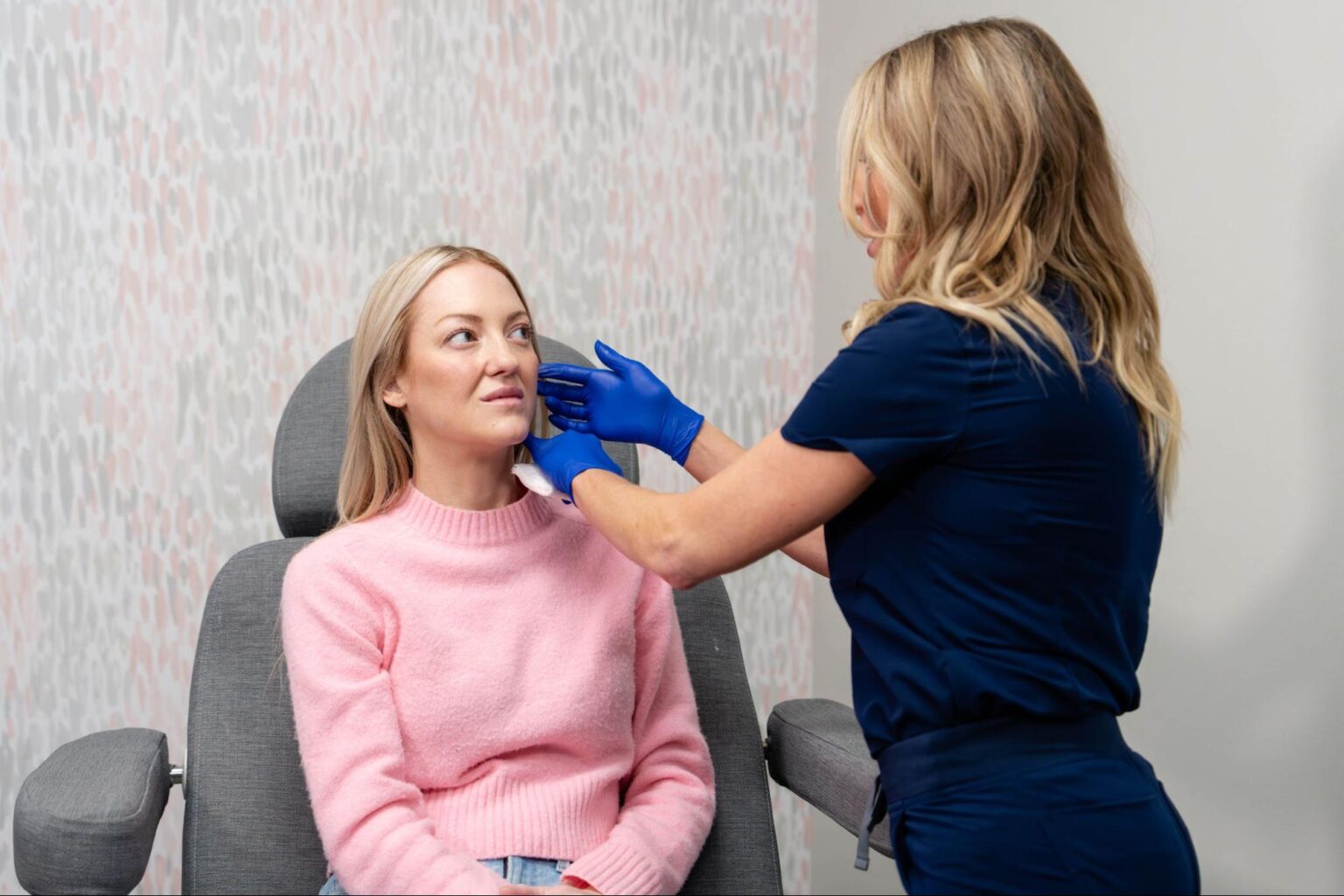
Choosing between a HydraFacial, chemical peel, dermaplane, or microneedling treatment can feel overwhelming when every option promises glowing skin. Each one works differently, targets different concerns, and fits different lifestyles. This guide breaks down what sets these four popular skin therapies apart so you can walk into your next consultation knowing exactly what to expect and which option aligns most closely with your goals.
What Are These Four Popular Facial Treatments?
These four treatments represent the most-requested professional skin therapies in modern aesthetics, and each one offers a distinct approach to refreshing your complexion. Here’s a quick snapshot before we go deeper:
- HydraFacial: A multi-step hydradermabrasion treatment that cleanses, exfoliates, extracts, and infuses hydrating serums into the skin using a patented vortex wand.
- Chemical peel: An acid-based exfoliation available in superficial, medium, and deeper strengths, formulated to resurface skin and target specific concerns like pigmentation or breakouts.
- Dermaplane: A manual exfoliation treatment that uses a sterile blade to gently remove dead skin cells and fine vellus hair (peach fuzz).
- Microneedling: A collagen-induction treatment that creates controlled micro-channels in the skin to trigger natural elastin and collagen production.
Our expert team offers all four of these skin therapies, giving you access to a full menu of options. Each treatment targets different concerns and offers a distinct downtime profile, which is why personalized matching matters so much. The right choice often depends on your current skin condition, your tolerance for recovery time, and whether you want gradual improvement or immediate radiance.
How Does Each Facial Treatment Work?
Understanding the mechanics behind each treatment helps you set realistic expectations. Our expert providers walk every patient through the science during consultation, but here’s the overview that will give you a strong starting point before you book.
How Does HydraFacial Work?
HydraFacial uses a specialized vortex wand that delivers four actions in roughly 30 minutes: a deep cleanse, a mild acid peel, gentle extractions, and a saturating infusion of antioxidants and peptides. The wand suctions impurities while simultaneously delivering nourishing serums, so your skin walks out hydrated rather than stripped. The process is calming, non-irritating, and widely considered one of the most comfortable in-office treatments available today.
How Do Chemical Peels Work?
A chemical peel applies targeted acid solutions, such as glycolic, salicylic, TCA, or phenol, to resurface the outer layers of your skin. The depth of the peel determines the strength of the result. Superficial peels brighten and smooth, medium-depth peels address pigmentation and texture, and deeper formulations tackle more advanced concerns across the complexion.
How Does Dermaplaning Work?
Dermaplaning glides a sterile surgical blade across the skin at a 45-degree angle. This technique removes built-up dead cells and vellus hair in a single pass. The result is an immediately smoother surface that allows skincare products to absorb more effectively and makeup to apply flawlessly for a polished, finished look.
How Does Microneedling Work?
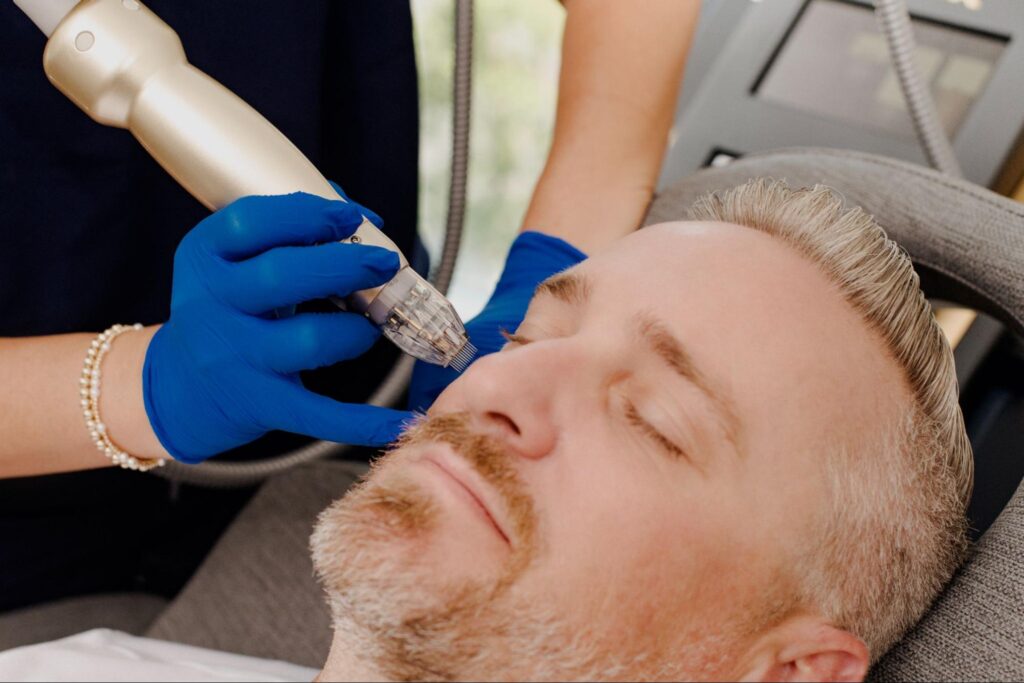
Traditional microneedling uses fine, sterile needles to create micro-channels in the skin, typically between 0.5 mm and 2.5 mm deep depending on the concern. These controlled micro-injuries signal your body to remodel the treatment area with fresh collagen and elastin. Our medical providers also offer Sylfirm X RF microneedling, which combines the mechanical action of needles with radiofrequency energy for deeper tightening and pigment-correcting benefits.
What Are the Benefits of Each Treatment by Skin Concern?
Matching the right treatment to your specific skin goals is where real transformation happens. Here’s how each option delivers natural-looking results based on what you want to improve.
What Are the Benefits of HydraFacial?
- Deep hydration and plumping
- Relief from congestion and clogged pores
- An immediate glow for events or photos
- Zero downtime, so you can return to normal activities right away
- Safe for most skin types, including sensitive and reactive skin
What Are the Benefits of a Chemical Peel?
- Fading of hyperpigmentation and sun damage
- Improvement in melasma with the right formulation
- Clearer skin for acne-prone complexions
- Softer fine lines and smoother surface texture
- More even skin tone across the face, neck, and chest
What Are the Benefits of Dermaplaning?
- Smoother makeup application
- Instant brightness for dull, tired-looking skin
- Removal of unwanted peach fuzz
- Enhanced penetration of serums and moisturizers
- A refreshed look with no recovery time
What Are the Benefits of Microneedling?
- Visible softening of acne scars
- Reduced appearance of enlarged pores
- Improved overall texture and firmness
- Softer fine lines and crepey areas
- Help with stretch marks on the body
- Added skin tightening and pigment correction when using Sylfirm X RF microneedling
One of the most rewarding aspects of working with our expert providers is building combination protocols. A dermaplane before a HydraFacial, for example, allows the infusion serums to penetrate even more deeply. These layered approaches are part of a comprehensive aesthetics plan that helps you look and feel your best.
Side-by-Side Comparison: HydraFacial vs. Peel vs. Dermaplane vs. Microneedling
Here’s a direct comparison of the four treatments across the factors patients ask about most often. Use this chart as a starting point, then refine your choice with a professional consultation to make sure the plan truly fits your skin.
| Factor | HydraFacial | Chemical Peel | Dermaplane | Microneedling |
|---|---|---|---|---|
| Downtime | 0 days | 1–7 days (depth-dependent) | 0–1 day | 1–3 days |
| Comfort level | Relaxing, well-tolerated | Mild tingling or warmth | Comfortable | Numbing cream applied |
| Frequency | Monthly | Every 4–6 weeks | Monthly | Every 4–6 weeks |
| Best for quick glow | ✓ | — | ✓ | — |
| Best for deep correction | — | ✓ (medium-depth) | — | ✓ |
| Results timeline | Immediate | Cumulative over weeks | Immediate | Cumulative over months |
HydraFacial and dermaplane shine when you want immediate radiance with no recovery. Chemical peels and microneedling deliver deeper correction, with results that build and improve across a series of treatments. Many patients rotate between quick-glow treatments and deeper corrective sessions throughout the year, creating a steady rhythm of maintenance and renewal.
What Shapes Your Treatment Plan?
Your provider builds your plan around several factors:
- Provider credentials and clinical experience
- The specific device or technology used
- Serum add-ons and specialty boosters
- Size of the treatment area
Your skin type, concerns, and goals also play a role, which is why a consultation is the best first step.
Who Is the Best Candidate for Each Treatment?
The right match depends on your skin type, your concerns, and your medical history. Our medical providers assess all of these during your consultation. Here are the general candidacy guidelines to review before you commit to any single treatment path:
- HydraFacial: Works for virtually all skin types, including sensitive, rosacea-prone, and reactive complexions. A great first step if you’ve never had a professional facial.
- Chemical peels: Ideal for pigmentation, acne, and signs of maturing skin. Not recommended for patients with active eczema, open wounds, or those recently on isotretinoin.
- Dermaplaning: Best for patients with dull skin or unwanted peach fuzz. Avoid if you have active acne, cystic breakouts, or extremely reactive skin.
- Microneedling: Especially effective for acne scars, pores, and texture concerns. Not appropriate for patients with a tendency toward keloid scarring or any active skin infection in the treatment area.
- Pregnancy: Considerations vary by treatment and must be reviewed individually with one of our medical providers before any skin therapy.
A professional consultation is the only reliable way to determine the best match for your goals, and it’s where we design a plan tailored to your unique needs. Taking that step helps you avoid guesswork and move forward with confidence.

Frequently Asked Questions
Which facial is best for sensitive skin?
HydraFacial is widely considered the gentlest option for sensitive skin. The treatment is hydrating rather than stripping, uses gentle acids, and allows our providers to customize the serums based on your reactivity. Patients with rosacea or easily irritated skin often tolerate HydraFacial beautifully, though a consultation confirms the right fit for your individual skin.
Which treatment works best for acne scars?
Microneedling is typically the top choice for acne scars because it triggers collagen remodeling in the dermis, where scar tissue sits. Sylfirm X RF microneedling takes this a step further by adding radiofrequency energy for deeper correction. A series of treatments usually produces the most noticeable improvement in scar depth and texture.
Can I combine these treatments in one visit?
Yes, in many cases. A popular combination is dermaplaning followed by a HydraFacial, which allows serums to absorb more deeply. Chemical peels and microneedling are usually spaced apart to allow proper healing. Our expert team designs combination protocols based on your skin’s tolerance and your goals.
Which facial has the least downtime?
HydraFacial and dermaplaning both offer essentially zero downtime. You can return to work, exercise, and your normal routine immediately after either treatment. Chemical peels and microneedling involve some recovery, which varies by depth and individual healing response.
How often should I get each treatment?
HydraFacial and dermaplaning are typically done monthly to maintain fresh, glowing skin. Chemical peels and microneedling are usually scheduled every 4 to 6 weeks in a series, then transitioned to maintenance treatments a few times a year. Your provider will build a schedule aligned with your skin goals, your lifestyle, and the kind of results you want to see over the long term.
Are any of these safe during pregnancy?
Pregnancy-safe options are limited and depend on the specific products and depth used. Some gentle HydraFacial protocols and basic dermaplaning may be appropriate, while most chemical peels and all microneedling treatments are typically avoided during pregnancy. Always consult with one of our medical providers and your OB before scheduling, since every pregnancy is different and your care team can help you weigh the right options for your situation.
How do I decide which facial to start with?
If you’re new to professional skin therapy, start with a consultation. Our expert providers evaluate your skin, listen to your goals, and recommend a starting point. Many first-time patients begin with a HydraFacial or dermaplane to build familiarity, then layer in corrective treatments like peels or microneedling once a baseline routine is in place. This measured approach helps you build toward natural-looking results while learning how your skin responds to each type of therapy.